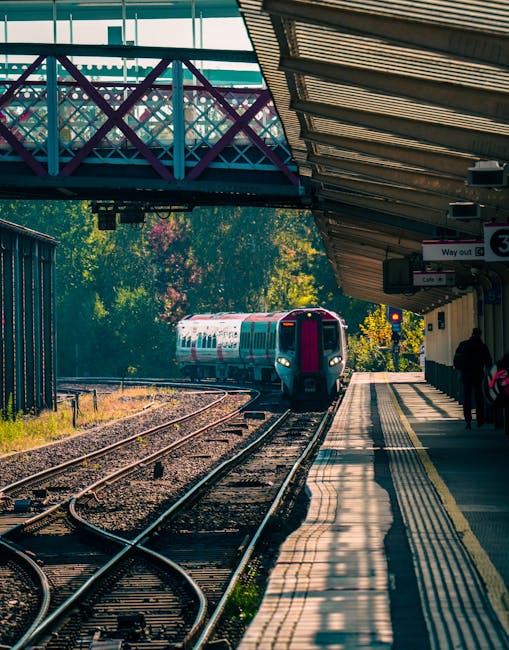
Wimbledon Station Removals Best Routes for Loading
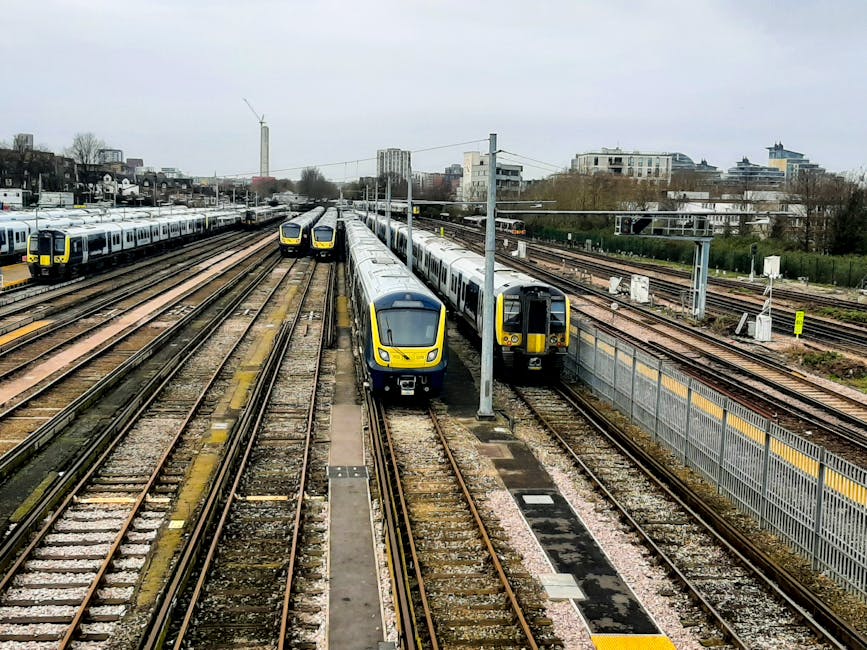
Trying to move near Wimbledon Station can feel simple on paper and messy in real life. There are narrow streets, busier junctions than you expect, people popping in and out of the station, and that awkward moment when the van is exactly where it should not be. This guide to Wimbledon Station Removals Best Routes for Loading is here to make the process calmer, safer, and a lot more efficient. If you are planning a home move, a flat clearance, or a business relocation, the best loading route is rarely the shortest one. It is the one that saves time, avoids bottlenecks, and keeps everyone moving without stress.
Below, you will find practical route-planning advice, loading strategy, common mistakes to avoid, and the kind of local insight that actually helps on moving day. It is not glamorous. But it is useful. And truth be told, useful wins every time when a removal truck is waiting with the engine running.
Why Wimbledon Station Removals Best Routes for Loading Matters
Near a busy station, loading is not just about getting boxes into a van. It is about timing, vehicle positioning, pedestrian flow, and keeping the move legal and practical. Wimbledon Station sees a steady stream of commuters, taxis, buses, delivery vehicles, and people carrying more than they probably intended. That makes poor route selection expensive in ways that are not always obvious at first glance.
If a van has to circle the area because there is no safe stopping point, you lose time. If a sofa blocks the pavement while the crew searches for the right entrance, you create frustration for everyone. If the truck is too large for the street and needs constant repositioning, the move becomes harder, slower, and frankly more tiring than it should be. The best loading route reduces all of that.
There is also the matter of access. Some properties around station areas have restricted kerb space, tighter turns, or one-way flow that makes a simple "park outside and load" plan unrealistic. A good route plan considers the full journey from front door to vehicle, not just the postcode. That small difference often decides whether the move feels controlled or chaotic.
Expert summary: The best loading route is not always the nearest kerb. It is the safest, most predictable stopping point that lets the team load quickly without blocking traffic, pedestrians, or access for neighbours.
How Wimbledon Station Removals Best Routes for Loading Works
In practical terms, route planning starts before moving day. You look at the property type, vehicle size, access points, likely traffic pinch points, and the amount of loading time you will need. Around Wimbledon Station, that usually means thinking beyond the obvious main road and asking a few simple questions: where can the vehicle stop safely, how far is the carry from door to van, and what time of day will the street be least pressured?
A loading route is usually made up of three parts. First is the approach route, which is how the vehicle gets close to the property without awkward turns or unnecessary congestion. Second is the loading point, which is the exact place where items are handed from property to vehicle. Third is the departure route, which matters more than people think, because leaving smoothly avoids blocking the same road twice.
For a small flat move, this may be as simple as using a man and van service with a compact vehicle and a shorter loading path. For a larger household move, you may need a proper removal truck hire setup and a more structured loading plan. If the property includes office furniture, archive boxes, or IT kit, the plan becomes even more detailed. That is why services such as man and van transport, moving truck support, and removal truck hire are often chosen for different job sizes rather than one-size-fits-all coverage.
In real life, good route planning also means checking for temporary issues. A skip, a parked delivery van, a school run, or a rainy morning can alter the best choice by a surprising amount. One minute you are set. Next minute you are reshuffling two wardrobes and a mattress because the stop point is not actually usable. Happens all the time.
Key Benefits and Practical Advantages
The benefits of choosing the right loading route near Wimbledon Station are concrete, not theoretical. You get faster loading, fewer delays, better safety, and less wear on the team. That matters whether you are moving a one-bedroom flat or a busy office.
- Less walking distance: shorter carries reduce fatigue and reduce the chance of dropping or scraping items.
- Cleaner timing: the job starts and finishes closer to schedule, which helps if lift bookings or access slots are involved.
- Better safety: controlled positioning reduces the risk of blocked pavements, awkward lifts, and rushed movement around traffic.
- Improved protection for furniture: when items move smoothly in a planned flow, there is less bumping into door frames and railings.
- Lower stress for everyone: a well-organised loading route keeps the move from feeling like a scramble.
There is also a commercial upside. For business moves, better route selection can reduce downtime and keep staff disruption to a minimum. If you are planning something more structured, pages like commercial move support and office relocation services can be useful starting points when you are comparing the level of help you need.
And for households, the value is often emotional. The last thing anyone wants on moving day is to stand in the drizzle at 8:10 a.m. wondering why the van has been blocked by a queue of unrelated traffic. Better loading routes prevent that kind of nonsense. Nicely.
Who This Is For and When It Makes Sense
This approach makes sense for anyone moving to or from an address near Wimbledon Station where loading access is limited, busy, or shared. That includes renters, homeowners, landlords arranging an end-of-tenancy move, office teams relocating nearby, and people collecting bulky furniture that needs careful handling.
It is especially useful if:
- you live in a flat with limited frontage or awkward stair access;
- you are moving during weekday commuter hours;
- the van needs to park a short distance away from the entrance;
- you have heavy furniture, appliances, or fragile items;
- you are coordinating with neighbours, building management, or a concierge;
- you want to avoid double-handling items because the vehicle stop is not ideal.
It also makes sense if you are booking a broader service package. For example, some people combine packing support with transport so the loading sequence runs more smoothly. A service such as packing and unpacking services can reduce delays on the day, while home moves and house removalists are a better fit when there is more furniture, more boxes, and more moving parts. Literally.
One small but important point: if you are only moving a few items, a compact option like furniture pick-up may be more sensible than arranging a full-scale vehicle. The right service choice often makes the route question much easier.
Step-by-Step Guidance
Here is a simple way to approach loading near Wimbledon Station without overcomplicating it.
- Start with the property layout. Measure door widths, stair turns, lift access, and any tight corners that could slow large items.
- Identify the best legal stopping point. Look for a place where the vehicle can load without blocking essential access or causing a traffic issue.
- Match the vehicle to the route. A smaller van can be easier on narrow streets, while a larger truck may suit bigger jobs with more volume.
- Plan item order before arrival. Put heavier, less fragile items near the vehicle entrance of the property so the team is not constantly reshuffling.
- Protect flooring and high-contact areas. Use blankets, runners, or edge protection where needed to avoid scrapes and scuffs.
- Stage boxes sensibly. Group by room and priority so loading becomes a steady rhythm rather than a guessing game.
- Keep the loading path clear. Shoes, recycling bins, prams, and random bags have a funny habit of appearing exactly where they are most annoying.
- Do a final sweep. Check cupboards, loft spaces, under beds, and behind doors before the vehicle leaves.
If you are moving from a busy office or shopfront, the same logic applies but with more coordination. A planned loading sequence reduces disruption and makes the handover easier. That is where man with van support can work well for smaller commercial loads, while more structured jobs may suit a heavier vehicle or a more formal service arrangement.
A practical tip from experience: the smoothest moves usually happen when the team knows which items must go first and which can wait. The lack of debate in the moment is a beautiful thing.
Expert Tips for Better Results
There are a few things seasoned movers tend to do that make a noticeable difference around station areas. Nothing magical. Just good habits repeated often enough to matter.
- Choose an early loading window if possible. Streets are usually calmer before the day gets busy, especially close to commuter routes.
- Avoid overestimating how much fits in a single lift. If the vehicle is far from the door, lighter loads moved in a controlled sequence can be quicker than one huge, risky carry.
- Keep the first-load items obvious. Beds, sofas, and table bases should not be buried behind miscellaneous boxes.
- Use colour labels or room labels. It sounds simple because it is, and simple tends to work when everyone is tired.
- Check access the day before. A five-minute visit can save twenty minutes of guesswork on the day.
- Reserve a backup route in your head. If the preferred stopping point is blocked, know the next-best option before the van arrives.
Another useful habit is to think in zones. Zone one is the property entrance, zone two is the loading point, zone three is the van interior. Each zone should be neat and predictable. That sounds a bit tidy, maybe even fussy, but it works.
For larger vehicles, it can also help to think about weight distribution. Place the heaviest items where they sit securely and do not create a tipping point when the van is moving. That is not just smart; it is part of basic loading discipline.
Common Mistakes to Avoid
Most loading problems near Wimbledon Station do not come from the move itself. They come from avoidable planning errors. The good news is that these are easy to fix once you know what to watch for.
- Using the wrong vehicle size. Too large and you create access problems. Too small and you create repeat trips. Neither is ideal.
- Ignoring pedestrian flow. Station-adjacent areas are busy by nature, so a vehicle parked badly can slow everyone down.
- Not measuring bulky items. Sofas, wardrobes, mirrors, and white goods are the usual troublemakers.
- Leaving loading until the last minute. It is amazing how often people finish packing just as the crew arrives. Bit of a panic, really.
- Forgetting about building rules. Flats and managed properties may have access rules, lift booking windows, or noise expectations.
- Assuming the nearest stop is the best stop. Often it is not.
One other mistake is underestimating weather. A wet path, a slippery step, or a gusty January morning can turn a short carry into a cautious, slow one. Plan for that. Not because you expect drama, but because London likes a bit of weather whenever there is a job to do.
Tools, Resources and Recommendations
You do not need fancy equipment to load well near Wimbledon Station, but a few practical tools make the job safer and smoother.
- Furniture blankets: useful for protecting wooden pieces, wardrobes, and painted surfaces.
- Straps and tie-downs: important for keeping items stable in the vehicle.
- Floor runners or protective coverings: especially helpful in flats and communal hallways.
- Trolleys and dollies: reduce carrying strain for heavier items.
- Labels and markers: help keep rooms and priority items organised.
- Gloves and sturdy footwear: basic, but genuinely useful.
If you need to move bigger loads, it is often worth choosing a service that includes the right vehicle and handling support rather than trying to improvise. A dedicated moving truck or removal truck hire can be a better fit for bulky, multi-room moves. For smaller, simpler jobs, a compact van solution may be enough and easier to position near the station area.
When you want to understand the company behind the service, it is sensible to read the background pages too, such as about us and the contact page, so you know who you are dealing with before moving day arrives.
Law, Compliance, Standards, or Best Practice
Route planning and loading near Wimbledon Station should always follow common UK road safety and property-access expectations. That means not blocking pavements, keeping emergency routes clear, respecting local restrictions, and avoiding unsafe manual handling. You do not need to be a legal expert to do this properly, but you do need to be sensible.
Best practice usually includes:
- checking whether loading is allowed where you intend to stop;
- respecting signage, kerb use, and any local time restrictions;
- keeping access routes clear for pedestrians and neighbours;
- using suitable lifting methods for heavy or awkward items;
- making sure the move does not create avoidable risk to people or property.
If you are moving from a managed block, the building management may also expect advance notice, especially for lift use, loading bay access, or deliveries. That is not unusual. It is just the practical reality of moving in a busy part of London. For terms, service expectations, and privacy details, it is wise to read the relevant policy pages such as privacy policy and terms and conditions before booking.
One careful note: if there is any doubt about parking or stopping, choose caution over convenience. The quicker route is not worth a fine, a complaint, or a twisted ankle.
Options, Methods, or Comparison Table
Different move types call for different loading methods. Here is a simple comparison to help you decide what fits best.
| Method | Best for | Strengths | Limitations |
|---|---|---|---|
| Compact van / man and van | Small flat moves, single-room moves, light furniture | Easier access, nimble around tight streets, efficient for shorter loads | Less capacity for larger household or office moves |
| Moving truck | Larger home moves, bulky items, more boxes | More volume, fewer trips, better for structured loading | Needs more careful route planning and stopping space |
| Removal truck hire | Multi-room moves, higher item count, longer loading windows | Flexible for bigger jobs, good carrying capacity | Less forgiving if access is awkward or the street is tight |
| Furniture pick-up | One-off bulky item collection | Simple, quick, cost-conscious | Not suitable for full moves |
If you are unsure which method fits your situation, think about volume first, then access, then timing. That order helps more than guessing based on vehicle size alone. A smaller vehicle can beat a bigger one if the route is tight and the loading point is awkward.
Case Study or Real-World Example
Imagine a two-bedroom flat move a short walk from Wimbledon Station. The property is on a street with steady morning traffic, a narrow frontage, and a shared entrance. The first instinct is to park as close as possible to the front door. Reasonable enough. But after checking the access, it becomes clear that the nearest spot would block a narrow turn and make it difficult for pedestrians to pass safely.
Instead, the crew chooses a slightly longer but cleaner stopping point. The carry is a few extra steps, but the van can stay aligned with the street, the entrance remains clear, and the loading line is straightforward. Beds are dismantled in advance, boxes are staged by room, and the heaviest items go in first. Nobody is sprinting. Nobody is guessing. The move feels steady from start to finish.
That is the real lesson here. The best route is not always the most obvious one. It is the one that reduces friction in the whole chain: approach, access, loading, and departure. If the route feels boring, that is usually a good sign. Boring is efficient. Efficient is lovely on moving day.
Practical Checklist
Use this checklist before the vehicle arrives. It is simple, but it catches the common stuff.
- Confirm the address, floor level, and access instructions.
- Identify the safest stopping point for loading.
- Check whether the vehicle size suits the road and the volume.
- Label rooms and priority items clearly.
- Disassemble large furniture if it makes carrying easier.
- Protect floors, walls, corners, and fragile surfaces.
- Keep hallways, stairs, and entrances free from clutter.
- Arrange parking, building access, or lift booking where needed.
- Set aside essentials you need immediately after the move.
- Do one final room-by-room check before the van departs.
Small detail, big payoff. That is the pattern. And if you have ever spent ten minutes hunting for a kettle after a move, you already know why the essentials bag matters.
Get a free quote today and see how much you can save.
Conclusion
Wimbledon Station removals work best when loading is planned around the real street conditions, not wishful thinking. The smartest route is usually the one that keeps the vehicle safe, the carry short enough to be manageable, and the surrounding area clear for everyone else. Whether you are moving a flat, an office, or a single bulky item, the difference between a decent move and a frustrating one often comes down to route choice and loading discipline.
Keep it simple. Measure access, match the vehicle to the job, load in a sensible order, and leave a little space for the unexpected. That approach saves time, protects your belongings, and makes the day feel more in control. And honestly, that is what most people want from a move near a station: less drama, more progress, and a clean finish.
When the last box is on the van and the street has settled back into its usual rhythm, you will be glad you planned properly. One small route decision can make the whole day feel lighter.
Frequently Asked Questions
What is the best loading route near Wimbledon Station?
The best loading route is the one that gives the vehicle safe access, keeps the carry from the property manageable, and avoids blocking pedestrians or traffic. It is not always the nearest stopping point.
Why does route planning matter for removals in station areas?
Station areas are busy, and loading badly can cause delays, safety issues, and access problems. Good route planning keeps the move smoother and reduces stress for everyone involved.
Should I use a man and van or a larger removal truck?
Use a man and van for smaller, lighter moves or single-item transport. Choose a larger truck if you have more furniture, more boxes, or a move that needs fewer trips and better capacity.
How early should I plan my loading route?
Ideally, you should plan it before moving day and confirm access the day before. That gives you time to spot tight corners, stopping issues, or building restrictions.
Can I park right outside my property to load?
Sometimes, but not always. It depends on road layout, local restrictions, and whether the spot is safe and legal for loading. Near Wimbledon Station, it is wise to expect limited kerb space.
What should I do if the street is too busy on the day?
Have a backup stopping point in mind and stay flexible. A slightly longer carry is often better than blocking traffic or forcing a risky manoeuvre.
How do I make loading faster?
Label items clearly, stage them near the exit, dismantle bulky furniture where possible, and load the heaviest items first. A tidy sequence saves time and reduces confusion.
Do I need special equipment for loading near Wimbledon Station?
You do not always need special equipment, but furniture blankets, straps, trolleys, and protective coverings can make a huge difference. They are especially useful for bigger or fragile items.
What if I only need to move one large item?
For a sofa, wardrobe, or appliance, a furniture pick-up service is often the simplest option. It is usually easier and more cost-effective than arranging a full move.
Are there compliance issues I should think about?
Yes. You should keep access routes clear, follow local stopping and parking rules, and use safe handling methods. If the property has a concierge or building manager, check any access rules in advance.
Can packing help with loading route efficiency?
Absolutely. Well-packed boxes, grouped by room and priority, make the loading process much more orderly. It reduces hesitation and helps the crew move in a steady flow.
What is the most common mistake people make near station removals?
The biggest mistake is assuming the closest access point is the best one. In busy local streets, a slightly less convenient stopping point can actually make the whole move much easier.
Where can I learn more about the moving services available?
You can review the service pages for home moves, commercial moves, office relocation services, packing and unpacking support, and removal truck hire to see which option fits your move best.