Wimbledon Removals Haydons Road Access Tips
If you are planning a move near Haydons Road, the small details can make a big difference. A van that cannot pull up safely, a tight entrance, or an awkward loading bay can turn a simple moving day into a long, sweaty shuffle. That is exactly why Wimbledon Removals Haydons Road Access Tips matter: they help you plan the route, manage parking, protect your belongings, and keep the day moving without the usual panic. Truth be told, most problems on moving day are not about lifting boxes. They are about access.
In this guide, we will look at how access works around Haydons Road, what to check before the crew arrives, how to avoid bottlenecks, and what a sensible, well-organised move looks like in real life. You will also find a checklist, comparison table, and practical examples you can actually use, not just theory that sounds nice on paper.
Table of Contents
- Why Wimbledon Removals Haydons Road Access Tips Matters
- How Wimbledon Removals Haydons Road Access Tips Works
- Key Benefits and Practical Advantages
- Who This Is For and When It Makes Sense
- Step-by-Step Guidance
- Expert Tips for Better Results
- Common Mistakes to Avoid
- Tools, Resources and Recommendations
- Law, Compliance, Standards, or Best Practice
- Options, Methods, or Comparison Table
- Case Study or Real-World Example
- Practical Checklist
- Conclusion
- Frequently Asked Questions
Why Wimbledon Removals Haydons Road Access Tips Matters
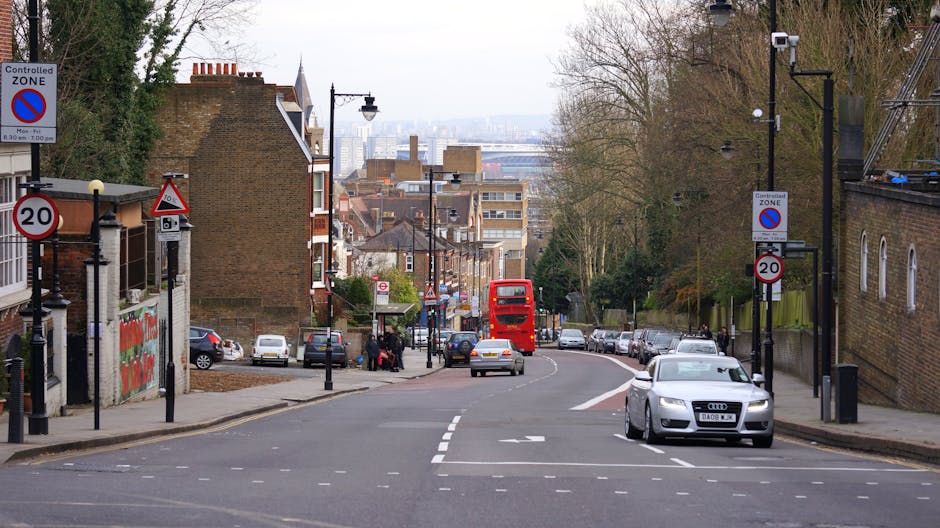
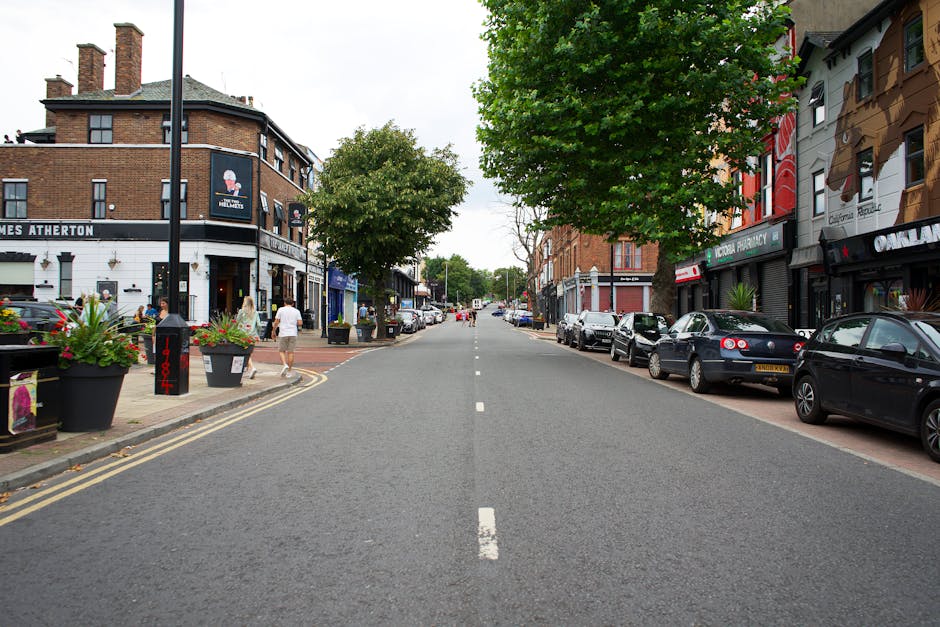
Haydons Road is the kind of place where access planning rewards the careful mover. Streets can feel straightforward on a map, but the reality on the ground is often different: parked cars, narrow turn-ins, busy periods, corners that need a wider swing, and the occasional awkward front step that looks harmless until a sofa arrives. If you ignore access, you risk delays, extra handling, and avoidable stress. Nobody wants to carry a wardrobe twice because the vehicle was parked 30 metres too far away.
Good access planning also protects your schedule. Removal teams work best when they can load in a sensible sequence, keep paths clear, and park close enough to reduce carrying distance. That matters whether you are moving a one-bedroom flat, a family house, or a small office. A smoother route usually means less time standing around and fewer chances of scratches, scuffs, or strained backs. Simple, yes. But also the sort of detail that separates a calm move from a chaotic one.
There is also a customer-experience side to this. If you are using a service such as a man and van service for a compact move, or arranging a fuller home move, your access setup directly affects how efficient the team can be. For larger property moves, it can influence whether a truck can stop close enough for the job to run properly at all.
How Wimbledon Removals Haydons Road Access Tips Works
Access planning is not complicated, but it does need a method. In practice, it starts with understanding three things: where the vehicle will stop, how the items will travel from the property to the vehicle, and whether anything blocks that route. Once you know those three points, the rest becomes much easier.
A good process usually looks like this:
- Check the road layout and the exact point where the van or truck can safely wait.
- Look at the walking route from the property to that vehicle.
- Measure or estimate awkward items such as wardrobes, beds, desks, or large appliances.
- Think about timing, especially if there are school-run periods, commuter traffic, or busy delivery windows.
- Prepare the property so the crew can move steadily instead of navigating clutter.
If you are moving business equipment, the same logic applies, just with more urgency. Commercial moves are often more time-sensitive, which is why services like commercial moves and office relocation services often depend on a crisp access plan. The sharper the plan, the less disruption to work. And that is the real goal, isn't it?
In everyday terms, think of access as the invisible first job on moving day. Before the first box is lifted, the route must already be clear in everyone's head.
Key Benefits and Practical Advantages
When access is planned properly, you notice the difference almost immediately. The day feels calmer, the team moves with purpose, and the risk of last-minute improvising drops away. That might sound obvious, but it is often the bit people forget until they are standing on the pavement with a mattress and no clear place to put it.
- Faster loading and unloading: shorter carrying distances mean less time spent shuttling items back and forth.
- Lower risk of damage: fewer tight turns, less awkward lifting, and fewer opportunities for furniture to catch on door frames.
- Less physical strain: good parking and route planning help protect both movers and residents.
- Better timing control: the schedule is easier to follow when the vehicle can park where expected.
- Improved coordination: everyone knows where to go, what to move first, and where items should be placed.
There is another benefit that people underestimate: peace of mind. Once the access issue is solved, the move starts to feel manageable. You are no longer guessing. You are just following the plan.
If you are using a man with van arrangement for a smaller household move, these practical gains can be especially noticeable. The same is true if you book a moving truck for a larger load. The vehicle choice matters, yes, but only if the access works for it.
Who This Is For and When It Makes Sense
This advice is useful for almost anyone moving around Haydons Road, but it becomes especially important in a few situations. If you are in a flat with limited frontage, if you have a long walk from the door to the street, or if your building has stairs, shared entrances, or a tight driveway, access planning should be near the top of your list.
It also makes sense if your move involves bulky furniture. A bed frame is one thing. A large wardrobe, a wide dining table, or a sofa with a stubborn corner is another. Furniture moves often fail not because the item is too heavy, but because the route is too narrow or the vehicle is parked badly. For those jobs, a service like furniture pick up can be a helpful fit when you just need a one-off collection and want the logistics handled sensibly.
Families moving house, tenants changing flats, landlords arranging turnover work, and businesses shifting stock or equipment can all benefit. So can people who are not especially confident with lifting or coordination. Let's face it, moving day already asks enough of you. You do not need the extra headache of wondering whether the van can actually get close enough to the door.
If your move is more substantial, house removalists or a fuller packing service may be worth considering. Access planning becomes even more useful when there are multiple rooms, multiple stops, or a compressed schedule.
Step-by-Step Guidance
Here is a practical way to handle access before moving day. Nothing fancy. Just a straightforward process that works.
- Walk the route yourself. Stand outside your property and look at the path from the pavement, parking point, or loading spot to the front door. Notice steps, uneven paving, gates, low walls, overhanging branches, or tight bends.
- Check vehicle suitability. A small van may fit where a larger truck would struggle. If the move is light, a simpler option may save time. If it is bulky, a larger vehicle might reduce trips. The best fit depends on access as much as volume.
- Measure the awkward stuff. You do not need exact engineering precision. Just know whether a sofa, mattress, fridge, or cabinet will go through the door without drama. If not, plan a different route or decide whether dismantling helps.
- Clear the exit path. Hallways, porches, boot rooms, and communal landings should be free of clutter. Shoes, plants, bins, bike locks, and random storage boxes all have a habit of appearing exactly where they should not.
- Think about timing. If parking is scarce, a slightly earlier or later arrival may help. If the street gets busy at certain hours, plan around that if possible. One good ten-minute adjustment can save half an hour later.
- Prepare the building. If you are in a managed block, tell relevant people about the move where required. Keep fobs, keys, or entry codes ready. The last thing you want is a loader stuck outside while you hunt for the right key in the kitchen drawer.
- Separate the priority items. Put essentials, fragile items, and high-value boxes where they can be loaded quickly or kept under supervision.
- Keep the loading area visible. Use common sense. If another car is likely to block the route, try to avoid leaving the plan to chance.
That may sound like a lot, but most of it takes twenty minutes or less. And it pays for itself many times over. A move rarely goes wrong because people were too careful. It usually goes wrong because they assumed access would sort itself out.
Expert Tips for Better Results
To be fair, the best access tips are usually the boring ones. They are not glamorous, but they work. Start with the vehicle first, then build the loading route around it. If you know your largest items, plan the path before the team arrives. That simple order of operations saves a surprising amount of frustration.
Here are a few field-tested habits that tend to help:
- Keep one person focused on access: during the move, someone should be responsible for doors, keys, entry points, and quick decisions. Too many voices slow everything down.
- Use a staging area: place packed boxes in one room or one clear zone so the loading sequence is easy to follow.
- Protect pinch points: door frames, bannisters, corners, and tiled thresholds need a bit of care. Blanket wraps and careful turning make a difference.
- Label the awkward items: "lift first," "fragile," or "dismantle if needed" can save time when the team is working fast.
- Allow for weather: a wet morning changes everything a little. Surfaces become slippery, and cardboard gets tired very quickly.
A small but useful tip: if a route looks tight, take a photo of it before move day. That one image can help everyone visualise the challenge in a way words sometimes cannot. Not magic. Just practical.
And if you need flexibility with capacity, a removal truck hire option can be useful when you want the vehicle size to match the property and access conditions more closely.
Common Mistakes to Avoid
Most access problems are avoidable. The tricky part is that people often do not realise they have made one until the moving team is already on site. A bit late, that.
- Assuming any vehicle will fit: a street that looks fine for cars may be awkward for larger vans or trucks.
- Leaving parking too late to solve: the best spot is the one you already thought about, not the one you scramble for at 8:15 a.m.
- Ignoring the final ten metres: many moves are slowed down by the last stretch from vehicle to door, not by the journey itself.
- Not checking shared access: communal entrances, side gates, and service yards often have their own quirks.
- Overstuffing boxes: heavy boxes are harder to carry through awkward spaces and more likely to split at the worst moment.
- Forgetting to clear waste or loose items: loose cables, mats, and planters can become tiny trip hazards.
The most common mistake of all? Thinking access is "good enough" because it worked once for a delivery. A removal job is different. More items, more people, more pressure, more time in and out. That difference matters.
Tools, Resources and Recommendations
You do not need a complicated toolkit to improve access, but a few basic items can help a lot. A tape measure is useful for doorways, lifts, furniture dimensions, and hallway widths. A notebook or phone note can track parking ideas, item sizes, and timing reminders. A few reusable blankets or furniture covers are handy for tight corners and weather protection. Nothing fancy, just the sort of kit that makes sense on a busy morning.
For planning, it also helps to have a simple room-by-room list. If you are moving from a flat near Haydons Road, note the sequence: bedroom, kitchen, living room, storage areas, then any fragile or odd-shaped items. That sequence reduces backtracking. If you are moving a business, split items by function: desks, chairs, screens, archive boxes, stock, and IT equipment. The fewer times people need to ask "where does this go?", the smoother it feels.
Storage can also make a move easier when the access is tricky or the timing is split across more than one day. Some people move in stages, especially if a property handover or office changeover has a gap in the middle. In those cases, a flexible plan matters more than squeezing everything into one frantic afternoon.
When in doubt, it can be worth discussing your move details with a provider that understands different move types, from packing and unpacking services to full domestic moves. A good team will usually care about access details because they know it affects the whole job, not just one part of it.
Law, Compliance, Standards, or Best Practice
For moves in London, the main point is to follow sensible road, parking, and property rules rather than trying to wing it. If you need to stop on the road, use lawful parking arrangements and follow any local restrictions that apply to the street or property. If you are in a managed building, follow the building's moving procedures and entry rules. If your move affects neighbours or shared spaces, give notice where appropriate and keep common areas clear. It sounds plain, because it is plain.
Best practice also means protecting people and property. Use safe lifting methods, avoid blocking emergency access, and do not leave boxes where someone could trip over them. If an item is too awkward to move safely through the available route, stop and re-think it. That is not being cautious for the sake of it; it is being sensible.
For commercial or office moves, you may also need to coordinate around building management, reception access, loading restrictions, or building rules for moving furniture and equipment. Services like office relocation services are often chosen because they help reduce disruption while keeping the move orderly. In workplaces, order is not just neatness. It is continuity.
One more thing: if you are ever unsure about access, ask before the day, not during it. The five-minute question is usually much cheaper than the fifty-minute workaround.
Options, Methods, or Comparison Table
Different move types call for different access strategies. The right choice depends on how much you are moving, how tight the street is, and how far items need to travel between the door and the vehicle.
| Method | Best for | Access strength | Trade-offs |
|---|---|---|---|
| Small van or man with van | Compact flats, single-room moves, quick collections | Good in tighter streets | May need more trips if the load is large |
| Medium removal vehicle | Typical home moves, mixed furniture, moderate loads | Balanced for many residential roads | Needs enough parking space to load safely |
| Removal truck | Larger houses, fuller inventories, multi-room moves | Efficient if access is open | Less forgiving on narrow streets or tight turning points |
| Split or staged move | Busy roads, awkward access, time-limited jobs | Very flexible | Requires more planning and coordination |
If you are moving smaller loads and want something nimble, a man and van setup can be a practical middle ground. If you have a broader household inventory, a home move approach may be more suitable. The key is not choosing the biggest option by default. Choose the option that actually fits the road, the building, and the workload. That is the bit people sometimes miss.
Case Study or Real-World Example
Picture a family moving from a first-floor flat near Haydons Road on a damp Saturday morning. The weather is dull, the pavement is already busy with parked cars, and there is a sofa, two beds, a cot, and several packed kitchen boxes waiting near the front door. Nothing dramatic. Just one of those ordinary moves where a small mistake can become a very long delay.
The difference-maker was access planning. Before the van arrived, the family checked where it could wait, cleared the hallway, moved a few small items into the living room, and separated the bulky furniture from the fragile boxes. They also made sure keys were ready and that someone could hold the door while items were moved. No magic, no perfect conditions, just preparation. The loading took less time than expected because the crew could work in a straight line instead of weaving around obstacles.
A similar thing happens with business jobs. For example, a small office relocation near Wimbledon can be disrupted by something as basic as poor lift access or a loading point that is too far away from the entrance. That is why commercial moves and furniture collections both benefit from advance planning. It sounds almost too simple, but it really does cut down on faff.
And yes, sometimes the day still throws up a surprise. A neighbour's car appears, a gate sticks, a box gets heavier than anyone remembered. But when the access plan is decent, those surprises stay small instead of taking over the whole schedule.
Practical Checklist
Use this before moving day. If you can tick most of it off, you are in a much better place.
- Confirm where the vehicle can stop safely.
- Check the walking route from door to vehicle.
- Measure doors, hallways, and any awkward furniture.
- Clear hallways, porches, landings, and entry points.
- Keep keys, fobs, and access codes ready.
- Make a note of busy traffic or parking periods.
- Label fragile or high-priority items.
- Protect floors, corners, and door frames where needed.
- Tell building management or neighbours if relevant.
- Have one person responsible for access decisions.
- Prepare for rain, mud, or slippery surfaces.
- Decide in advance what gets loaded first.
Quick expert summary: the best Wimbledon removals access plan is simple, specific, and checked before anyone starts lifting. If the route is clear, the vehicle fits, and everyone knows the sequence, the rest of the move becomes much easier. That is the whole game, really.
Conclusion
Wimbledon Removals Haydons Road Access Tips are not about overcomplicating the moving process. They are about removing friction before it turns into delay, damage, or stress. A little planning around parking, route width, timing, and building access can save a surprising amount of effort on the day. Whether you are moving a flat, a family home, or an office, the same truth holds: good access makes good removals.
If you want a move that feels more organised and less like controlled chaos, focus on the route before the boxes, the parking before the loading, and the handover before the rush. Small details, big payoff. That is usually how the best moving days go.
Get a free quote today and see how much you can save.
And if you are still standing in the doorway wondering whether the sofa will fit, take a breath. There is nearly always a better way through it.
Frequently Asked Questions
What are the most important Wimbledon Removals Haydons Road access tips?
The most important tips are to check vehicle parking, clear the path from door to van, measure awkward furniture, and prepare building access details before moving day. Those four things solve most of the avoidable problems.
How far in advance should I plan access for a move near Haydons Road?
Ideally, start a few days ahead so you have time to check parking, walking routes, and any building rules. If your move is complex, earlier is better. Last-minute planning has a habit of becoming messy very quickly.
Do I need a small van or a larger removal truck?
It depends on both the size of your load and the street access. A small van can be easier on narrow roads, while a larger truck may reduce trips for bigger moves. The best choice is the one that fits the property and the route.
What if parking near my property is limited?
If parking is tight, plan the closest lawful stopping point and keep the carrying route as short and clear as possible. Sometimes a smaller vehicle or a staged loading plan works better than trying to force a larger one into a poor spot.
Can access issues delay a home move?
Yes, they often do. Delays usually happen when the vehicle has to park too far away, when hallways are blocked, or when the team cannot get through a tight entrance efficiently. A little advance preparation can prevent most of that.
Are access tips different for office relocations?
They are similar, but office moves usually need tighter coordination because you are working around equipment, desks, people, and building management rules. Access becomes part of business continuity, not just logistics.
Should I dismantle furniture before the movers arrive?
If a large item is likely to struggle through a narrow route, dismantling can help. Beds, wardrobes, and some tables are easier to move in parts. If you are unsure, ask before the day so you do not end up guessing with a screwdriver in one hand.
What should I clear from the hallway or entrance area?
Move shoes, mats, boxes, coats, prams, bicycles, plants, and anything else that narrows the route or creates a trip hazard. The aim is a clean, direct line from the property to the vehicle.
Is a man and van service suitable for Haydons Road access challenges?
Often, yes. A smaller vehicle can be easier in tighter streets and more flexible for short, focused jobs. It is especially useful for compact moves, single-room jobs, and furniture collections.
What is the best way to prepare for moving day if I live in a flat?
Check entry points, lifts if available, stair width, and the route from your door to the street. Keep the communal areas clear and make sure keys or access fobs are ready. Flat moves are usually fine once the access route is properly thought through.
Do packing choices affect access on the day?
Absolutely. Overpacked boxes are harder to carry, and loose items slow everything down. Good packing makes the physical route easier and reduces the chance of damage in tight spaces. It is one of those things people notice only after they have done it well.
Where can I find help with packing or larger removals?
If you need extra support, services such as packing and unpacking services or a full house removalists team can make the job more manageable. The right help depends on your move size, timing, and how much access planning you want handled for you.