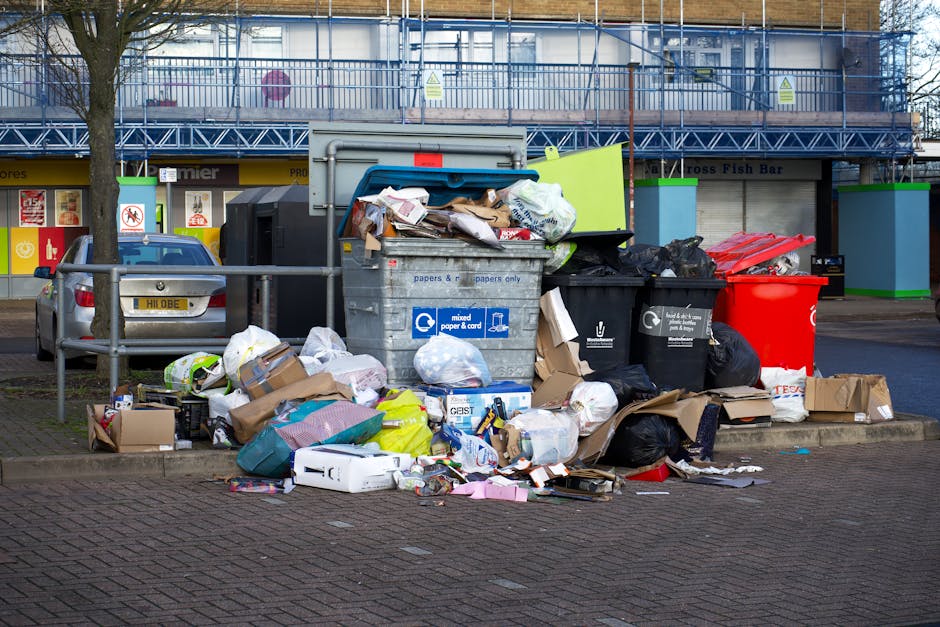
Bulky Waste Disposal After a House Clear-out in Wimbledon

If you have just finished a house clear-out, the pile left behind can feel oddly bigger than the house ever did. Old wardrobes, sagging sofas, broken shelving, mattresses, garden bits, and the mystery item that no one remembers buying in the first place all tend to show up at once. Bulky Waste Disposal After a House Clear-out in Wimbledon is really about getting that clutter gone safely, legally, and without turning your driveway into a weekend project.
In Wimbledon, space is precious and access can be awkward. Narrow front paths, parking pressure, and shared entrances all make bulky item removal a bit more involved than simply dragging things to the kerb. This guide walks you through the practical side of it: what counts as bulky waste, how disposal works, what to avoid, and how to choose the most sensible route for your situation. If you are dealing with a full home tidy-up, a move, or a bereavement clear-out, you will find this useful.
One thing to keep in mind: the best solution is not always the cheapest-looking one on paper. It is the one that saves time, protects the property, and actually gets the job done properly. That sounds obvious, but after a clear-out, people often just want the room empty by tea time. Fair enough, really.
- Why bulky waste disposal matters after a clear-out
- How the process works in practice
- Key benefits and practical advantages
- Who needs this and when it makes sense
- Step-by-step guidance
- Expert tips for better results
- Common mistakes to avoid
- Tools, resources and recommendations
- Law, compliance, standards and best practice
- Options and comparison table
- Case study or real-world example
- Practical checklist
- Conclusion
- Frequently asked questions
Why Bulky Waste Disposal After a House Clear-out in Wimbledon Matters
After a clear-out, bulky waste becomes more than an eyesore. It can block access, slow down cleaning, delay decorating, and create a fire or trip hazard if items are left stacked in the wrong place. In a busy area like Wimbledon, you also have to think about neighbours, parking, timing, and keeping communal areas tidy. Let's face it, no one wants a half-dismantled wardrobe sitting outside for three days because the plan was a bit optimistic.
There is also the issue of disposal responsibility. Large household items are not always easy to get rid of through ordinary kerbside collections. Mattresses, sofas, white goods, broken tables, and mixed furniture can all require a bit more planning. If you rush it, you can end up with items left behind, damage to the property, or a collection that is simply not suitable for the amount of waste involved.
For many Wimbledon households, the clear-out stage happens right before a move, a rental handover, or a renovation. In those moments, bulky waste removal is not just about rubbish. It is part of making the property ready for whatever comes next. That is why a practical, organised approach matters so much.
Expert summary: The most effective bulky waste disposal plan is usually the one that matches the scale of the clear-out, the access at the property, and how quickly the space needs to be handed back or reused.
How Bulky Waste Disposal After a House Clear-out in Wimbledon Works
In simple terms, bulky waste disposal means sorting large items into what can be reused, what can be collected, and what must be disposed of responsibly. After a house clear-out, the process usually starts with an inventory of items. This sounds a bit formal, but it is really just a list: sofas, bed frames, wardrobes, chests of drawers, desks, dining sets, appliances, and anything else too large for a normal bin.
From there, the next question is whether the items are still in usable condition. Some pieces may be suitable for furniture pick-up, especially if they are intact and safe to move. Others may need dismantling before removal. A broken bed frame, for example, often takes less space once stripped down. That makes loading easier and sometimes cheaper too.
Access matters a great deal. If a terrace property has tight stairs or a flat is tucked away behind shared hallways, the removal method needs to be chosen carefully. A straightforward man and van arrangement can work well for lighter loads or smaller clear-outs, while larger jobs may call for a moving truck or a more structured removal setup. The right choice depends on volume, weight, and how much lifting is involved.
Timing matters too. Some people prefer waste to leave the house the same day the clear-out is completed, so the property is not left in limbo. Others need a staggered approach, where furniture is removed in stages as rooms are emptied. Either way, good planning avoids those awkward moments where the hallway becomes a temporary storage zone. You know the one.
For homes with a broader move or clearance happening at the same time, it can help to coordinate bulky waste with a wider moving service such as home moves or house removalists. That way, you are not paying for separate efforts that could be combined sensibly.
Key Benefits and Practical Advantages
There are some clear advantages to handling bulky waste well after a house clear-out. The first is speed. A good removal plan clears the space faster than waiting for ad hoc trips to the tip, which can stretch over days and eat into your time. The second is safety. Heavy items moved without a plan can strain backs, scratch floors, or chip walls. Not ideal when you have just spent time getting the property tidy.
Another major benefit is order. When bulky items are handled methodically, you are less likely to leave behind forgotten objects in lofts, sheds, or under stairs. People are often surprised by how much hidden clutter turns up once cupboards are emptied. A clear-out can uncover a broken fan, a stack of old lampshades, or three chairs that somehow migrated between rooms over the years.
There is also a practical financial benefit. If you separate reusable items from genuine waste, you can avoid paying for unnecessary disposal space. Large furniture may also be easier to move in a planned load than mixed with loose rubbish bags. That saves effort and usually makes the job feel less chaotic.
- Faster turnaround: ideal if the property needs to be handed over or listed quickly.
- Safer handling: less risk of injury, property damage, or blocked access.
- Cleaner finish: rooms can be cleaned, measured, or decorated sooner.
- Better sorting: usable items, recyclables, and waste can be separated more sensibly.
- Less stress: a structured process feels calmer, and that matters when the house is already in flux.
For many people, the real win is simply getting the house back to a usable state. When the bulky items go, the place feels lighter. Not magically perfect, but lighter. That counts.
Who This Is For and When It Makes Sense
This kind of disposal is useful for all sorts of households. It is not only for big family homes or major downsizing projects. In Wimbledon, it often comes up after tenancy changes, probate clear-outs, pre-sale decluttering, renovation prep, or simply a long-overdue reset of the home. If a room is full of furniture that no longer fits your plans, you are in the right territory.
It also makes sense when you are clearing a property for new occupants. A landlord may need old beds, wardrobes, or damaged sofas removed quickly. A homeowner preparing to move may want to avoid dragging unwanted items into the next place. And if you are helping a relative clear a property, a sensitive and tidy process can make the day feel a lot more manageable.
There is a useful distinction here. If you are dealing mainly with a few bulky items, a simple removal arrangement may be enough. If the house has been lived in for years and the clear-out is substantial, then combining waste disposal with broader moving support can be the smarter move. Services like man with van support or removal truck hire may fit better when the scale grows.
It makes sense whenever you want the job done in one clean sweep rather than stretched across several half-finished trips. There is a certain relief in that, honestly.
Step-by-Step Guidance
A good bulky waste plan is easier than it sounds. The trick is not to improvise too much on the day. Start with a walk through the property and make decisions room by room. If you try to do it item by item without a system, the whole thing turns into a weird treasure hunt.
- Identify the bulky items. List furniture, large appliances, mattresses, shelving, and anything that will not fit into normal disposal channels.
- Sort by condition. Put usable items in one group, damaged items in another, and things that need dismantling in a third.
- Measure access. Check stairwells, door widths, lifts, parking space, and whether items need to be carried through communal areas.
- Decide what should be removed first. Large pieces often need to come out before smaller clutter, especially in tight rooms.
- Prepare items for handling. Empty drawers, remove loose cushions, unplug appliances, and secure doors or moving parts where sensible.
- Choose the right removal method. Match the vehicle and labour to the actual load, not to a rough guess.
- Clear paths in advance. Protect floors if needed and make sure hallways are not blocked by boxes or bags.
- Do a final sweep. Check lofts, cupboards, under beds, and behind doors before the collection begins.
If the clear-out is part of a larger move, you may find it easier to combine packing, lifting, and removal in one plan. A service such as packing and unpacking services can reduce the number of moving parts, which is handy when your calendar is already a bit full.
One small but useful tip: label what is staying and what is going before any removal team arrives. It sounds simple. It saves arguments later. Every time.
Expert Tips for Better Results
From experience, the biggest difference comes from preparation, not muscle. People often focus on how to lift the item, but the smarter question is where the item should go and how it should get there. Planning that part first removes a lot of friction.
Here are a few practical tips that make a real difference:
- Break down large furniture where possible. Flat-pack style pieces, bed bases, and shelving often move better in sections.
- Keep hardware together. Put screws, brackets, and fittings in a labelled bag if you may reuse the item later.
- Protect surfaces. Blankets, sliders, or floor coverings can reduce scuffs in older Wimbledon properties.
- Separate mixed materials. Wood, metal, and upholstery may need different handling.
- Think about timing. Morning collections can be easier if parking is tighter later in the day.
- Ask about awkward items early. Pianos, old wardrobes, and oversized sofas need more planning than they first appear to.
It also helps to keep one small area clear as a staging zone. The aim is not to create another mess while sorting the old one. A corner of the hallway or a spare room works well if it remains accessible.
And here is a slightly boring but useful truth: a tidy route from room to exit can save more time than trying to move faster. Not glamorous. Very effective.
Common Mistakes to Avoid
The most common mistake is underestimating volume. A room may look almost empty once small items are removed, but bulky waste has a way of making itself known all at once. A sofa here, two mattresses there, and suddenly the space required is much bigger than expected. That is when people end up with a vehicle too small or a plan that starts well and goes a bit sideways.
Another mistake is failing to check whether something can be dismantled. A wardrobe that will not fit through the door in one piece is not automatically a dead end. But if you leave dismantling until the last minute, the removal becomes slower and more stressful. Same with appliances. Disconnecting them safely before collection matters more than people realise.
Other mistakes include:
- Leaving items in communal areas too long
- Not confirming parking or access before collection day
- Mixing reusable items with waste so everything gets treated the same
- Forgetting about lofts, garages, sheds, and storage cupboards
- Choosing a method based only on price, not on fit for the job
There is also a slightly less obvious one: emotionally overkeeping items because the clear-out feels bigger than expected. That is completely normal. But if the goal is to create space, you may need a clean line. Keep what truly matters, let the rest go. Easier said than done, yes, but still useful.
Tools, Resources and Recommendations
You do not need a warehouse full of kit to manage bulky waste after a clear-out. A few practical tools and sensible resources can make the process smoother.
- Basic hand tools: screwdrivers, Allen keys, and a hammer for dismantling furniture safely.
- Strong gloves: useful for gripping rough timber, metal edges, or dusty items from loft storage.
- Furniture sliders: helpful for moving heavy pieces without dragging them across the floor.
- Labels or tape: ideal for marking keep, remove, donate, or dismantle.
- Heavy-duty bags or boxes: useful for loose fittings, cushions, linens, and mixed small items.
On the service side, the most relevant options usually depend on what is being cleared. If the job is mainly unwanted household furniture, a focused furniture pick-up approach may be enough. If the whole property needs loading, a broader move-oriented service such as home moves or a vehicle-led option like moving truck support may be more practical.
If you are comparing options, look at how much lifting is included, whether dismantling is part of the job, and how the team handles access in tighter streets or terraces. In Wimbledon, that practical detail matters. A lot.
Law, Compliance, Standards, or Best Practice
Bulky waste disposal in the UK should always be handled responsibly. Without getting lost in legal jargon, the safest approach is to use a route that keeps items away from fly-tipping, unsafe dumping, or untraceable disposal. If someone offers a suspiciously cheap removal and cannot explain where the waste goes, that is a red flag. Probably a big one.
Best practice usually means checking that the people handling your waste are properly set up for the work they are doing, and that items are moved without blocking access, causing damage, or creating a hazard. If the clear-out involves communal blocks, flats, or shared entrances, it is also good practice to keep those areas clear and respect building rules. That is not just polite; it avoids headaches later.
For households, the main duty is straightforward: do not hand waste to anyone who cannot clearly handle it responsibly. For businesses or mixed-use properties, the standard is even more important because commercial waste and household waste are not always treated in the same way. If your project touches both, a service such as commercial moves may be relevant alongside the clearance work.
And one more thing. Keep records where sensible. If items are removed as part of a property handover, having a note of what went can save confusion later. Not exciting, but very practical.
Options, Methods, or Comparison Table
There is no single best way to handle bulky waste after a house clear-out. The right method depends on quantity, access, urgency, and whether the items can be reused or need direct disposal. Here is a simple comparison to help you think it through.
| Method | Best for | Strengths | Trade-offs |
|---|---|---|---|
| Single-item furniture pick-up | One or two large items | Quick, simple, low disruption | Not ideal for full-house clear-outs |
| Man and van removal | Small to medium loads | Flexible, good for awkward access | Can require careful timing and sorting |
| Removal truck hire | Larger loads or multiple bulky items | More capacity, better for big jobs | Needs more planning and access space |
| Full home move support | Clear-out tied to relocation | Combines lifting, loading, and transport | May be more than you need for a small job |
If you are unsure which route fits best, think in terms of how many rooms are involved and how quickly the property needs to be emptied. A one-bedroom flat with a couple of bulky items is a very different job from a family house with loft and garage overflow. Obvious, perhaps, but it helps to say it plainly.
Case Study or Real-World Example
Imagine a Wimbledon homeowner clearing a three-bedroom house before a sale. The clear-out starts with wardrobes, a mattress, a broken dining table, and two tired sofas. At first glance, it looks manageable. Then the loft gets opened. Out come old chairs, a box of lampshades, framed mirrors, and half a shelving unit that no longer seems to belong to any room. Classic.
The homeowner could try to piece the job together through several small trips. Instead, they sort the house into keep, remove, and maybe-later piles. The reusable furniture is separated from damaged items. The larger pieces are dismantled where possible. Parking is checked in advance, hallway routes are cleared, and one room is left as the staging area.
By using a structured removal approach rather than leaving it to chance, the clear-out is finished in one visit instead of dragging on. The house is ready for cleaning and viewings much sooner. More importantly, the owner does not spend the week staring at a half-empty room and thinking, "I'll sort that tomorrow." We all know how that goes.
The lesson is simple: the smaller the friction, the easier the whole clear-out feels.
Practical Checklist
Before collection day, run through this checklist. It keeps the job tidy and avoids the common last-minute scramble.
- List every bulky item room by room
- Separate reusable items from waste
- Check what needs dismantling
- Measure awkward items and narrow exits
- Confirm parking and access at the property
- Clear hallways, stairs, and entrances
- Remove loose contents from drawers and cupboards
- Keep screws, fittings, and small parts together if needed
- Protect floors and walls where movement is tight
- Do one final sweep of lofts, sheds, and storage spaces
- Set aside any items that should not go with the bulky waste load
If you have a moving deadline, start this checklist earlier than you think you need to. The extra hour you save later can feel like a small miracle at the end of a long week.
Get a free quote today and see how much you can save.
Conclusion
Bulky waste disposal after a house clear-out in Wimbledon is not just about getting rid of old furniture. It is about making the next stage easier, safer, and far less stressful. When the items are sorted properly, the access is planned, and the right removal method is chosen, the whole process becomes much more manageable.
That is the real value here: fewer surprises, less lifting, and a cleaner handover. Whether you are emptying a family house, preparing a rental, or making room for renovation, a sensible bulky waste plan can save you a great deal of hassle. And once the last heavy item is gone, the silence in the room feels pretty good, to be fair.
Take it one step at a time, and do not be afraid to ask for help where it actually makes the job easier. A clear-out is already a lot. No need to make it harder than it has to be.
Frequently Asked Questions
What counts as bulky waste after a house clear-out?
Bulky waste usually includes large household items such as sofas, wardrobes, beds, mattresses, tables, shelving, and similar pieces that are too large for normal bin collections. In a clear-out, it often also includes broken appliances or awkward mixed items that need special handling.
Can I leave bulky items outside my Wimbledon home for collection?
Only if the collection arrangement specifically allows it and the items are placed safely and legally. In many cases, leaving furniture on the pavement or in a shared area without a proper plan can cause problems, so it is better to confirm the setup first.
Is bulky waste disposal the same as a house clearance?
Not exactly. Bulky waste disposal usually focuses on large items, while house clearance can involve bulky items plus smaller household contents, mixed clutter, and more detailed sorting. The two often overlap, but the scale can be very different.
What is the best option for one or two large items?
For a small number of items, a focused furniture pick-up or a simple man and van arrangement is often enough. It is usually quicker and more cost-effective than organising a larger vehicle for a tiny load.
Do I need to dismantle furniture before removal?
Not always, but dismantling can make removal easier and safer, especially for wardrobes, bed frames, and shelving. If an item is too large for doors, stairs, or tight corners, taking it apart first can save time on the day.
How do I know whether a bulky item can be reused?
Look at its condition, safety, and whether it is complete. A sturdy sofa with clean fabric may still have life left in it, while a water-damaged mattress or broken chair is more likely to need disposal. If in doubt, treat safety as the deciding factor.
What should I do with mixed items like wood, metal, and fabric?
Mixed-material items are common after a clear-out. The best approach is usually to separate what you can and make sure the removal plan accounts for the load properly. If an item can be broken down into easier components, that often helps.
How far in advance should I plan bulky waste disposal?
Ideally, a few days in advance for a small job and longer for a full clear-out. The earlier you check access, vehicle size, and item list, the easier it is to avoid delays. Last-minute planning tends to create the most stress.
Are there special concerns for flats or shared buildings in Wimbledon?
Yes. Shared entrances, lifts, stairwells, and parking restrictions can all affect how bulky waste is removed. In those settings, keeping communal areas clear and planning the route carefully is especially important.
What if the clear-out is part of a bigger move?
That is often the easiest time to combine services. You may be able to coordinate removal with home moves, house removalists, or removal truck hire so the bulky waste leaves at the same time as the rest of the move. It keeps the process neat and avoids duplicate effort.
Can bulky waste disposal help with a probate or inherited property?
Yes, very often. Probate clear-outs can involve a lot of furniture and mixed household items, and a structured removal plan makes the property easier to manage, clean, and prepare for sale or transfer.
What is the biggest mistake people make with bulky waste?
The biggest mistake is usually underestimating how much there is and not planning the access. A house can seem almost empty until the large items are counted. Once that happens, the right vehicle and the right lifting plan make all the difference.
How do I choose between man and van and a larger removal truck?
Choose based on volume, access, and how much lifting is involved. A man and van works well for smaller, flexible jobs. A larger truck is better when the load is substantial or when you want to clear several bulky items in one go.
What should I do next if I am ready to clear bulky waste?
Start by listing the items, checking access, and deciding what can be removed in one visit. Then choose the removal approach that fits the scale of the job. A little planning up front makes the whole process smoother, and usually much less tiring.